
EQUINE MASSAGE
Movement Starts with the Whole Horse
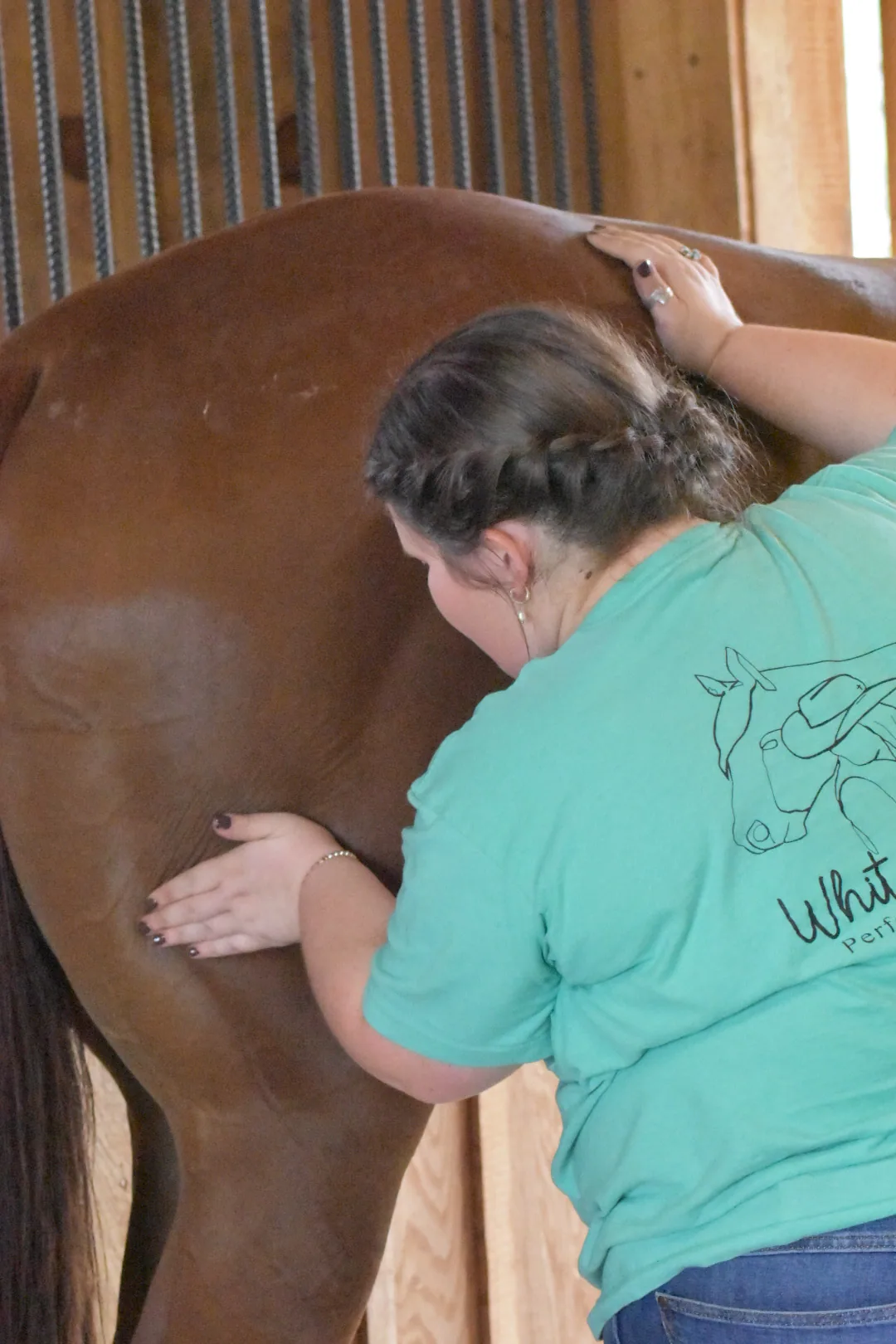
What an appointment may include
- A conversation about the horse’s history, work, and recent changes
- Observation of posture, movement, and comfort
- Hands-on assessment and massage therapy
- Clear aftercare recommendations for the owner
- Referral back to a veterinarian or another professional when needed
HORSE-FIRST CARE
A Thoughtful Approach to Equine Massage
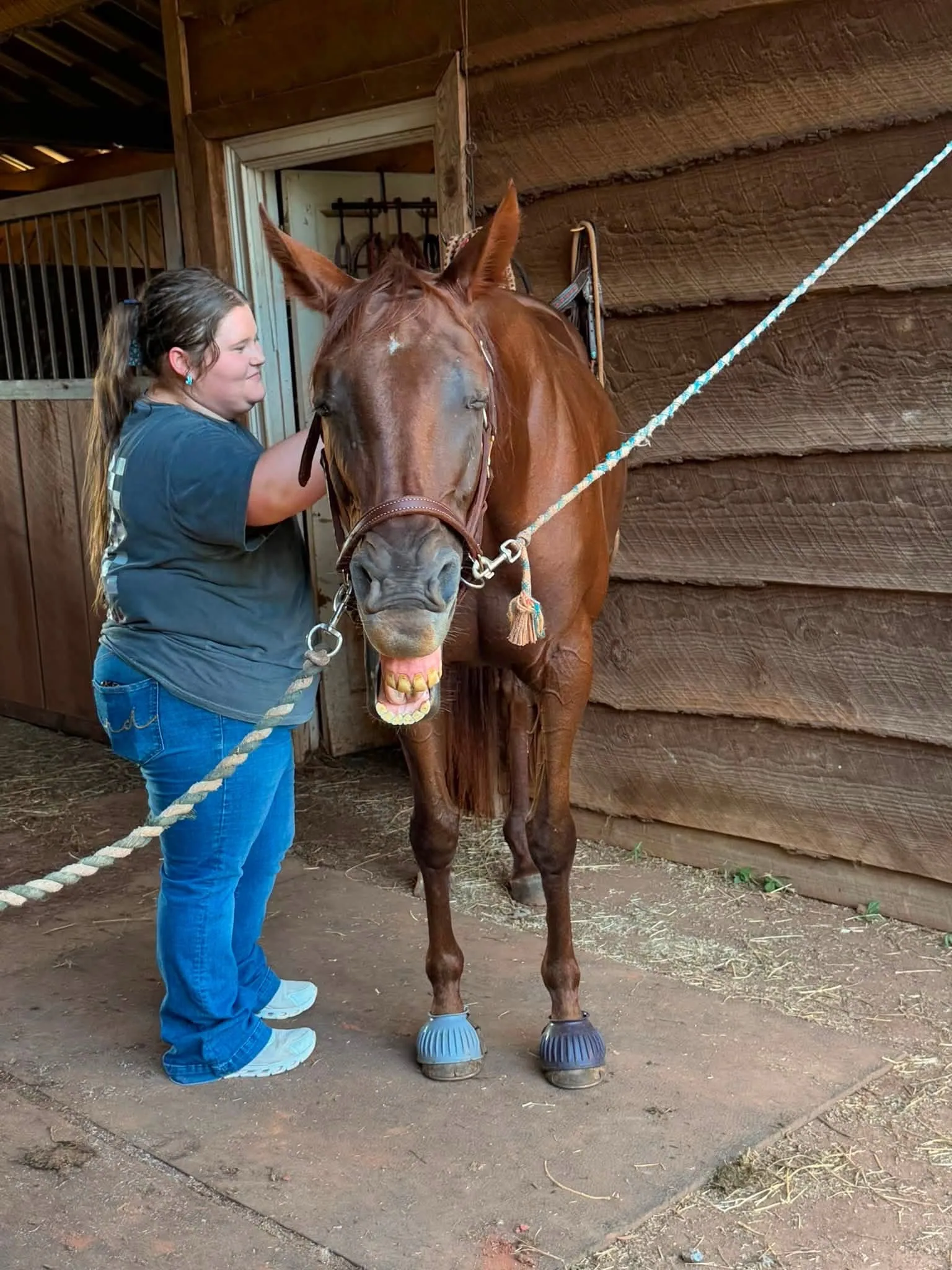
Each visit begins with context. Changes in training, turnout, hauling, tack, footing, and veterinary history can all help explain what an owner is noticing.
- Review the horse’s recent history and current workload
- Observe movement before beginning hands-on care
- Work within the horse’s comfort and tolerance
- Share observations in clear, practical language
- Coordinate with the broader care team when appropriate
ONGOING CARE
Supporting the Horse Between Visits
Good care continues after the appointment. Owners can support their horse by following the practitioner’s recommendations and watching for meaningful changes.
Simple ways to support follow-through
- Keep notes about movement, behavior, and performance
- Follow the recommended activity or rest plan
- Maintain regular farrier and veterinary care
- Share significant changes with the appropriate professional
- Schedule follow-up care based on the horse’s individual plan